Floor Pouring Services for Property Owners
This page helps property owners learn about floor pouring services and connect with local contractors who perform the work.
- - Residential property owners seeking durable, high-quality floor pours for homes or garages.
- - Commercial builders or contractors needing reliable local service providers for large-scale flooring projects.
- - Property managers or developers looking to connect with experienced contractors for ongoing or multiple flooring installations.
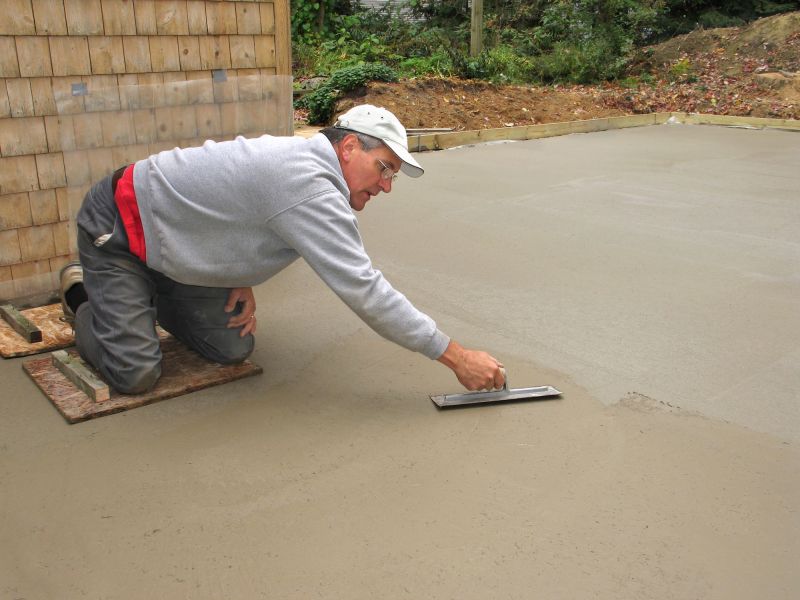
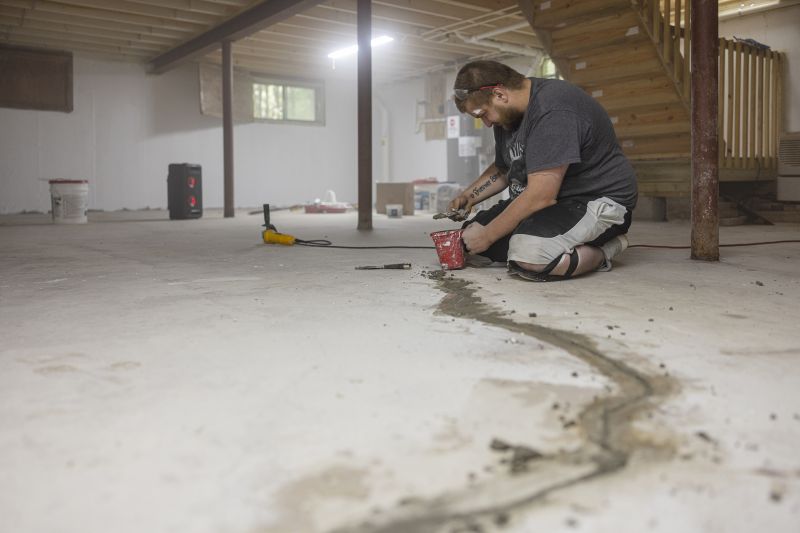
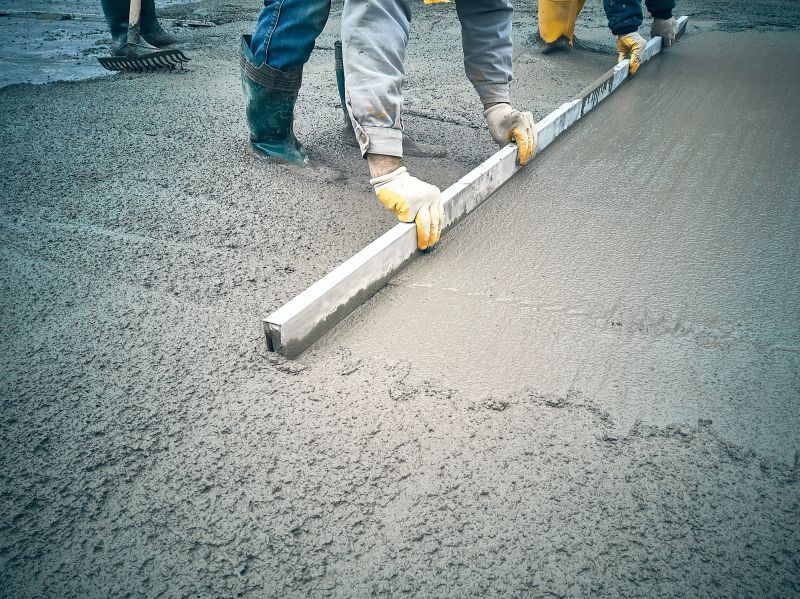
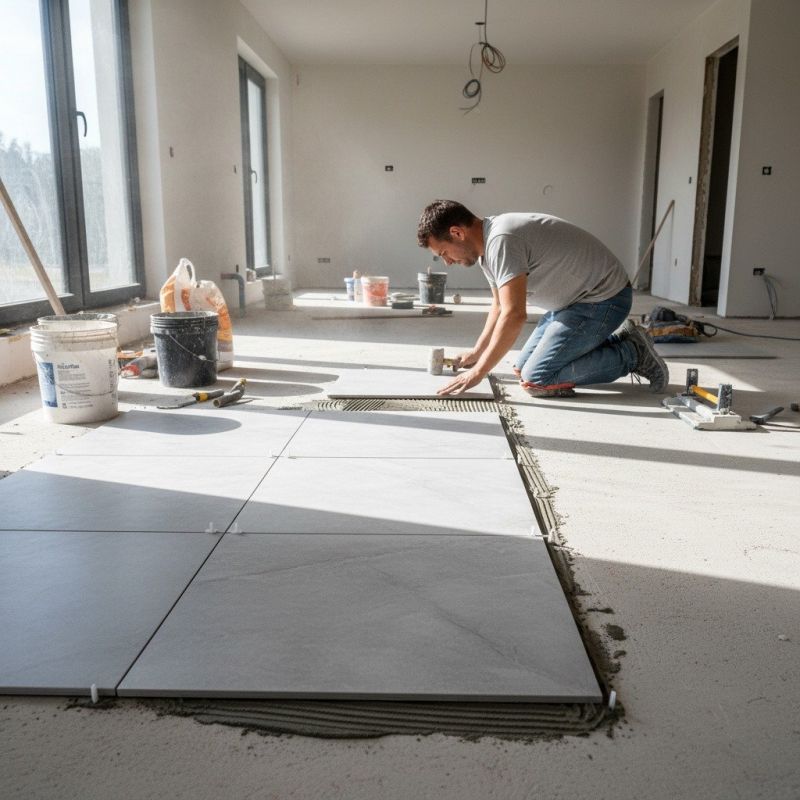
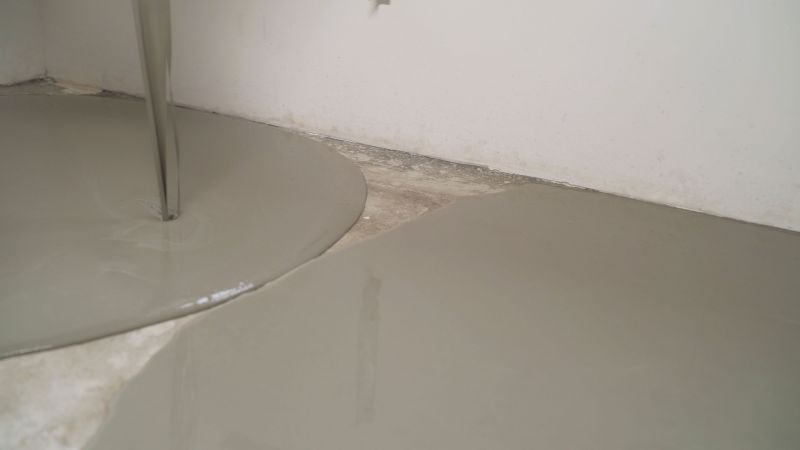
Floor pouring services involve the installation of concrete slabs for various types of properties, including residential, commercial, and industrial spaces. Property owners seeking these services typically look for experienced local contractors who can handle tasks such as preparing the site, pouring the concrete, and finishing the surface to meet specific needs. These professionals often work on projects like driveways, basements, garages, patios, or large-scale flooring for warehouses and factories, ensuring a durable and level surface suitable for its intended use.
Local service providers in the floor pouring industry can assist property owners in finding the right contractors for their specific project requirements. They connect individuals with experienced local pros who understand the nuances of concrete work and can deliver quality results. Whether planning a small residential upgrade or a large commercial installation, property owners can explore options from trusted local contractors to find the best match for their project needs.
This guide provides helpful information to understand the key aspects of floor pouring projects. It assists in comparing local contractors and understanding what to consider before hiring. The goal is to help visitors gather the basics needed to connect with experienced service providers in their area.